

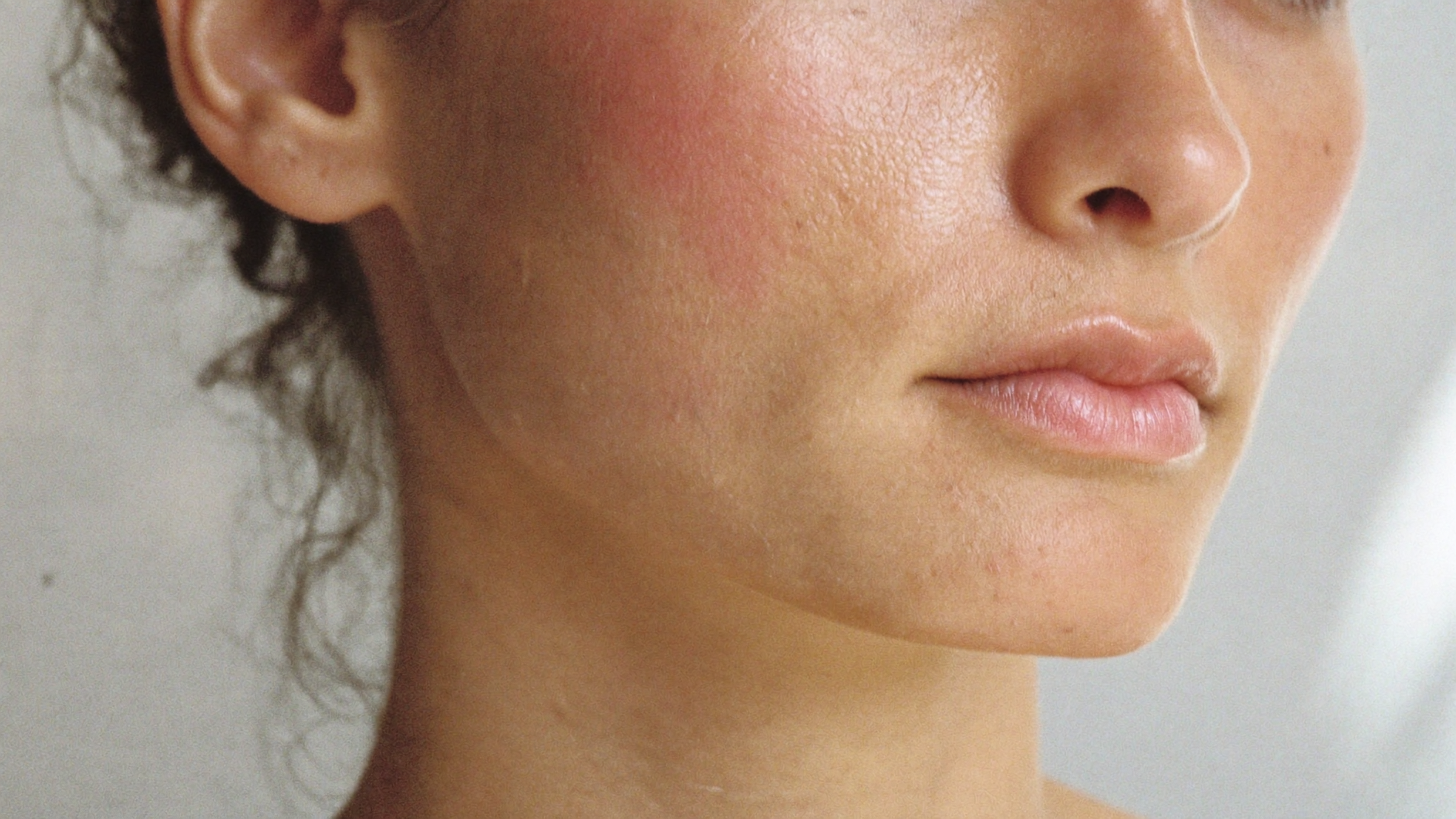
If you have sensitive skin, you already know the drill: a new product gets a trial period of exactly one use before you decide whether it's a keeper or a mistake. Redness, tightness, an unwelcome tingling — reactive skin has a way of vetoing things fast. So when clients with easily irritated skin ask me about hypochlorous acid mists, I understand the hesitation. Here's what I actually tell them.
Why Sensitive Skin Reacts to So Many Things
Sensitive or reactive skin usually means a slightly more compromised barrier — the outer layer that's supposed to keep moisture in and irritants out isn't doing its job at full strength. That makes skin more reactive to fragrance, alcohol, harsh actives, and even changes in temperature or wind. It's not that your skin is "too sensitive," it's that it's working with a thinner margin for error than other skin types.
This is exactly why ingredient list, not marketing claims, matters most for reactive skin.
Where Hypochlorous Acid Fits In
A well-formulated HOCl facial mist tends to check several boxes that matter specifically for reactive skin: it's alcohol-free (alcohol is one of the more common triggers for stinging and dryness), it's formulated at a pH closer to your skin's own, and it doesn't rely on strong actives like acids or retinoids that reactive skin often can't tolerate. It's also a leave-on mist rather than something you scrub or rinse, which removes a whole category of friction-related irritation.
None of this means every reactive skin type will respond the same way — skin is individual, and sensitivity has a lot of different root causes. But as categories go, it's a gentler one to experiment with than most.
How to Actually Introduce It
Start unscented. Nature's Dew removes fragrance from the equation entirely, which matters when you're trying to isolate whether your skin likes the HOCl itself before adding botanicals like rose water, witch hazel, or peppermint.
Patch test first. Mist a small amount on your inner forearm and wait 24 hours before applying to your face. This is standard practice for any new product on reactive skin, not a special step just for this one.
Introduce it slowly. Use it once a day for the first few days rather than jumping straight to multiple applications, so you can actually observe how your skin responds.
Watch for the difference between "adjusting" and "reacting." A very mild, brief tingle on first use that fades quickly is common with a lot of leave-on products. Ongoing redness, itching, or discomfort that doesn't settle is your skin telling you to stop and reassess.
What to Expect Week to Week
Most people who get along with a gentle HOCl mist describe the effect as subtle rather than dramatic: skin that feels calmer through the day, less tight after cleansing, and a bit more comfortable in situations that used to set it off, like wind, heat, or post-workout flushing. It's a maintenance step, not a rescue product — the value is in consistency, not a single dramatic use.
When to Check With a Professional First
If you have a diagnosed skin condition — eczema, rosacea, dermatitis, or anything actively being managed by a dermatologist — loop them in before adding anything new to your routine, including this one. A gentle formula is still a new variable, and your dermatologist can tell you how it fits alongside whatever else you're using.
FAQ
Will a hypochlorous acid mist irritate sensitive skin? It's formulated to be gentler than many alternatives — alcohol-free, closer to skin's natural pH — but every reactive skin type is different, so patch testing and starting unscented is the safest approach.
Should I use the scented versions if I have sensitive skin? Start with unscented Nature's Dew first. Once you know how your skin responds to the HOCl itself, you can decide whether to try a lightly scented option like Witch Hazel Vitality.
How often should sensitive skin use it? Start with once daily and build up gradually based on how your skin responds — there's no need to rush to multiple uses per day right away.
About the author: Josie Fenwick is a licensed esthetician who has spent years working specifically with reactive and compromised skin barriers, and still recommends patch testing to everyone, including her own mother.
Start here: Nature's Dew Unscented Hypochlorous Acid Facial Mist — the gentlest entry point for reactive skin.